The design of lighting systems for undersea tunnels is a critical engineering challenge, demanding specialized solutions to address unique environmental conditions. Several key factors must be integrated into the planning process to ensure safety, durability, efficiency, and ecological compatibility.
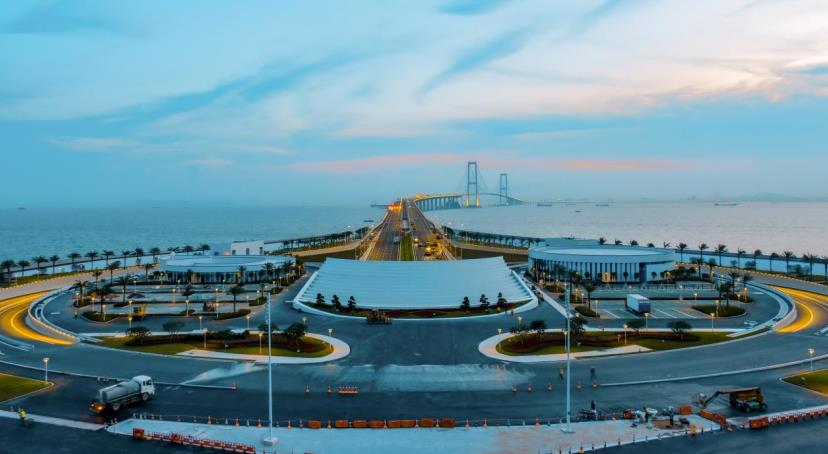
The periodic rise and fall of tides requires lighting systems to maintain consistent illumination regardless of water level changes. Fixtures and their mounting solutions must be designed to adapt to these fluctuations, ensuring reliable performance and uninterrupted visibility throughout the tunnel.
Submerged structures endure significant hydrostatic pressure. Lighting equipment must therefore possess exceptional waterproofing and pressure-resistant capabilities. Selection criteria should prioritize fixtures with high ingress protection (IP) ratings and robust structural integrity to guarantee long-term operation in a demanding marine environment.
Water alters light propagation through increased absorption and scattering. Effective lighting design must account for these properties by selecting appropriate light sources and optical distributions. Strategic control of illumination angles and intensities is essential to counteract visual attenuation and provide clear, uniform visibility within the tunnel.
The marine ecosystem, including algae and aquatic life, must be protected. Lighting design should minimize ecological disruption by employing fixtures that reduce light pollution and selecting spectrums less disruptive to marine organisms. This approach helps preserve the surrounding environment while fulfilling functional requirements.
A successful lighting system for an undersea tunnel requires a comprehensive strategy. Key considerations include optimal light intensity, energy efficiency, superior waterproof and corrosion-resistant design, and uniform illumination. Utilizing advanced LED technology tailored for underwater use, combined with precise optical engineering and a rigorous maintenance regime, is fundamental.
By adopting this integrated approach, designers can create lighting solutions that are not only safe and efficient but also environmentally responsible. The ultimate goal is to enhance user experience and ensure tunnel longevity while actively minimizing the project's impact on the marine ecosystem.
 Facebook
 Twitter
 Skype
Skype Email
Email Instagram
 Linkedin
 YouTube
 WhatsApp