When you think of New York’s Times Square, what comes to mind first? For most people, it’s the bustling crowds and the dazzling array of giant LED screens. Today, outdoor fixed LED displays are not only a staple in global economic hubs but are also integral to urban landscapes, advertising, and cultural events worldwide. This article explores the core advantages and latest technological features of contemporary outdoor fixed LED displays.
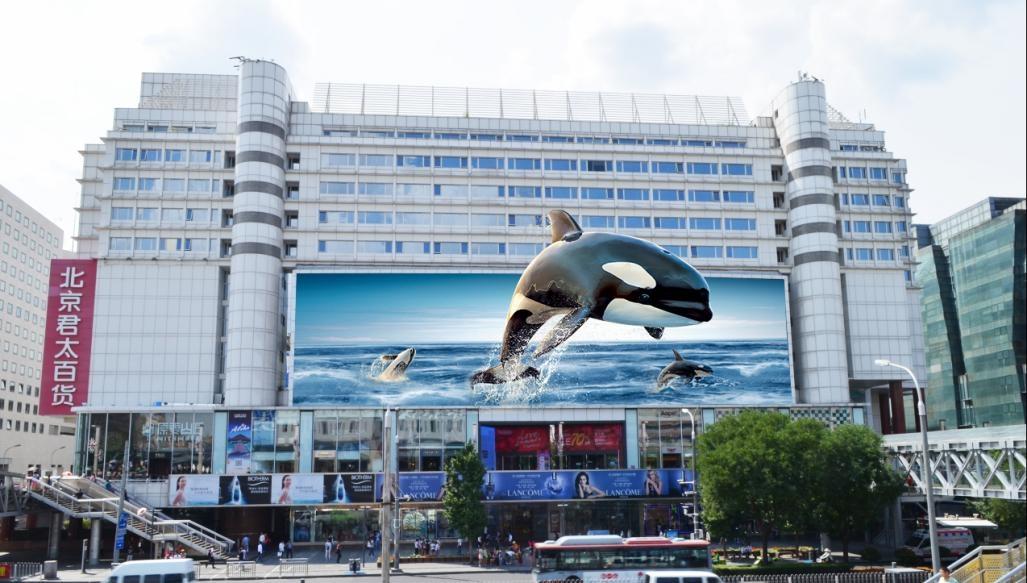
Superior Visual Performance: Unmatched Brightness and Clarity
The foremost criterion for outdoor displays is their performance under direct sunlight. Modern high-brightness LED technology has dramatically evolved, with standard brightness now easily reaching 5000 cd/㎡ and premium "High-Brightness" solutions pushing beyond 10,000 cd/㎡ . This ensures exceptional visibility and color fidelity even under intense midday sun, making content clear from distances over 200 meters.
Seamless viewing is another critical advancement. Beyond the physical absence of bezels, the industry is progressing toward perfect visual integration. Innovations include modular four-sided seamless splicing backplane designs and sophisticated system-level seamless redundancy switching software. These technologies allow for the creation of vast, uninterrupted canvases where the failure of a single component does not disrupt the visual experience, ensuring both flawless display integrity and high system reliability.
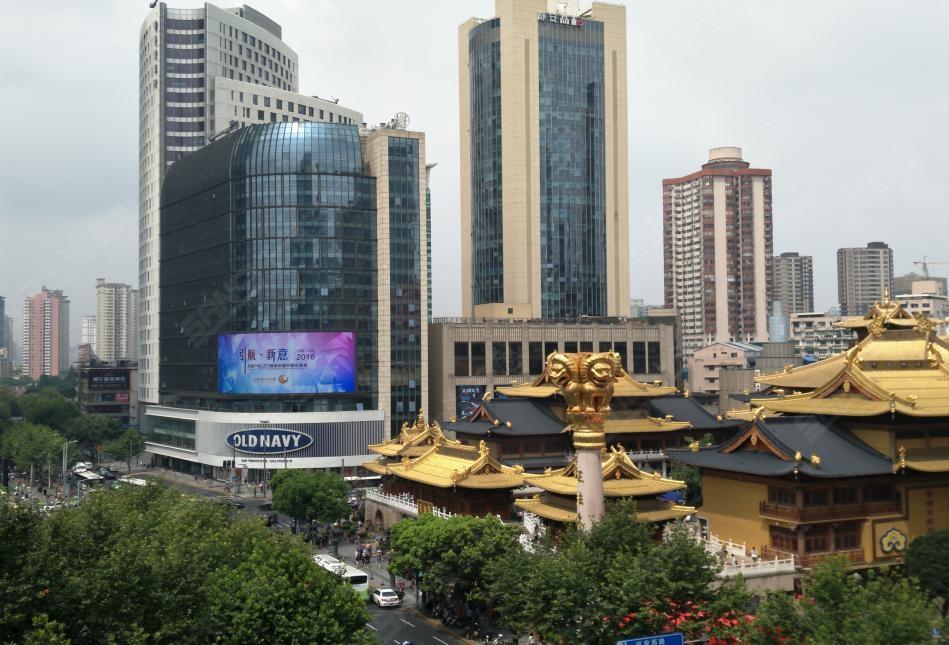
Enhanced Durability and Reliability for Harsh Environments
Outdoor displays must endure extreme conditions. Modern solutions offer robust protection, with front panels commonly rated at IP65 or higher, ensuring complete defense against dust and water jets. To combat the primary threat to longevity—heat, manufacturers employ multi-layered thermal management systems. These combine energy-efficient components that generate less heat, die-cast aluminum cabinets for passive conduction, and active multi-fan systems for precise temperature control, guaranteeing stable performance.
This engineering focus translates directly into extended lifespan and reduced maintenance. High-quality LED displays can operate reliably for over 100,000 hours. Furthermore, leading brands now offer warranties of up to 10 years on key components, a testament to their confidence in product durability and a significant shift from the industry's earlier norms
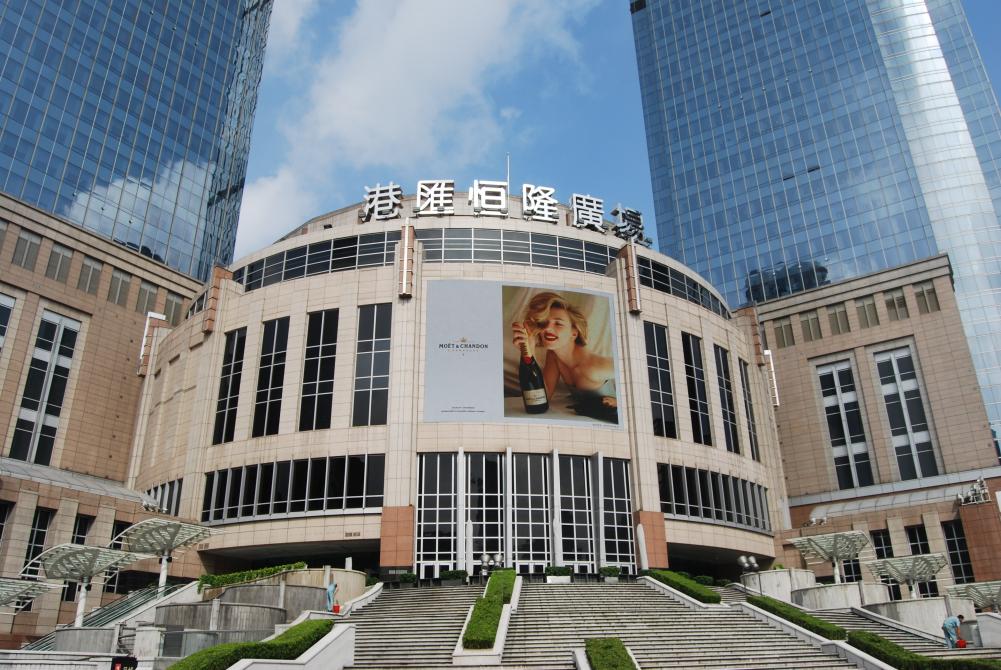
The Green Revolution: Exceptional Energy Efficiency
A major industry shift is the move toward sustainability. Advanced common-cathode power supply technology is at the forefront, reportedly reducing energy consumption by up to 60% compared to traditional designs when delivering the same brightness. Coupled with PWM dynamic energy-saving chips and intelligent light sensors that automatically adjust brightness based on ambient light, the operational savings are substantial. For example, a 100㎡ screen can save over 40,000 kWh of electricity annually, drastically lowering both operational costs and environmental impact.
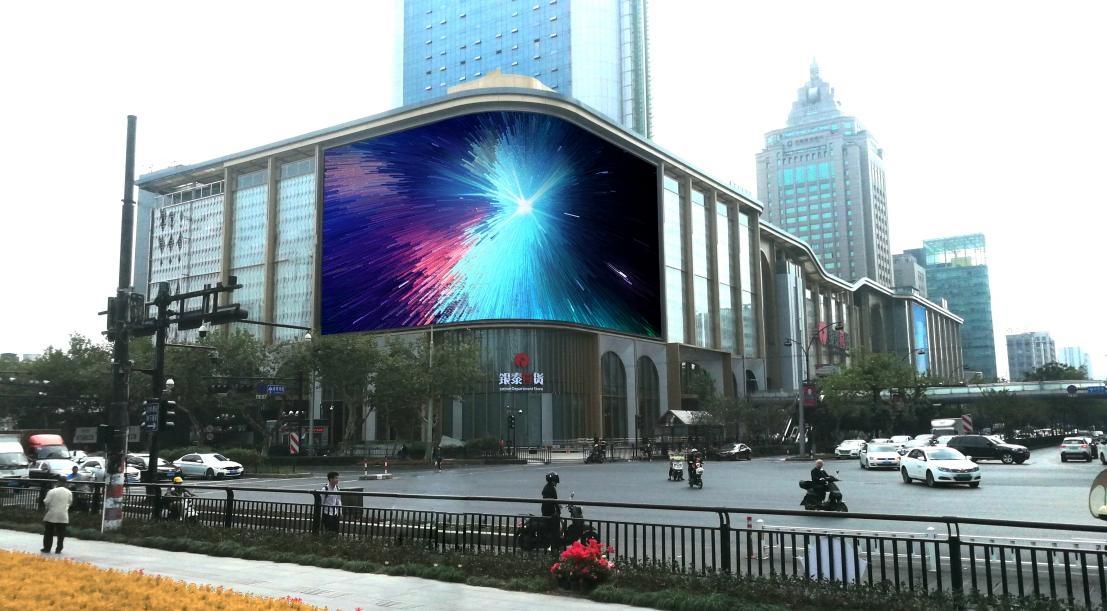
Creative Freedom: Flexible Shapes and Seamless Integration
Modern technology has liberated display design from flat, rectangular constraints. Today's LED modules support free customization into right angles, arcs, and circular shapes, allowing them to wrap organically around building corners or create immersive curved tunnels. A landmark example is the 440-meter-long curved LED display in the Dubai Mall, which demonstrates how screens can transform architectural space into a continuous visual ribbon.
For scenarios requiring transparency and minimal visual obstruction, invisible mesh screens are a groundbreaking solution. These screens maintain high brightness while allowing light and air to pass through, enabling installations on glass facades or in retail windows without blocking views, thus perfectly blending digital content with the physical environment.
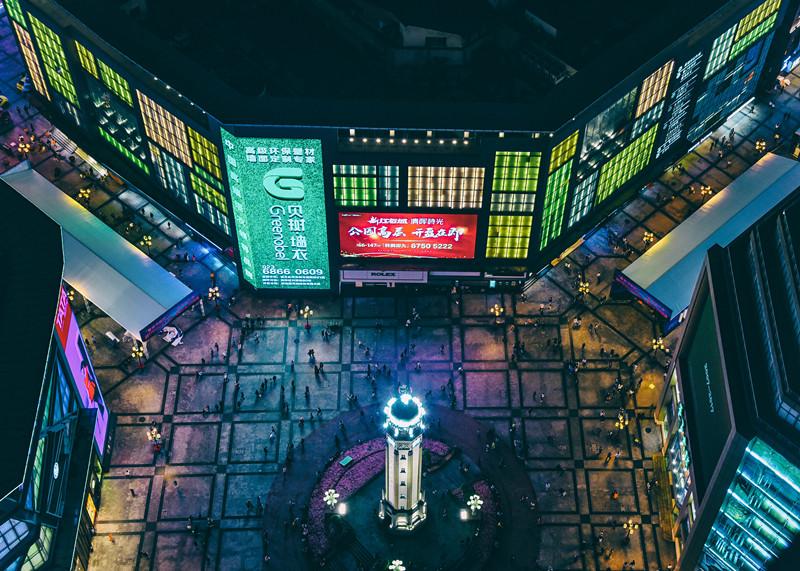
Broadening Horizons: Diverse Modern Applications
The application of outdoor LED displays has expanded far beyond traditional billboards:
Digital Out-of-Home (DOOH) Advertising: As a key driver, the global DOOH market is growing at approximately 6.8% annually. High-brightness, energy-efficient screens offer dynamic, eye-catching advertising with manageable operational costs.
Cultural Tourism and Landmarks: Displays are central to creating immersive experiences at landmarks, museums, and city squares, supporting 16-bit grayscale and HDR10+ standards to present stunning digital art.
Specialized Environments: Rugged displays are engineered for extreme conditions, including resistance to salt spray in coastal areas, operation in desert temperatures, and withstanding sandstorms, ensuring reliability anywhere in the world.
The outdoor fixed LED display industry is evolving from a simple advertising tool into a sophisticated, reliable, and sustainable component of smart urban infrastructure. Driven by breakthroughs in brightness, energy efficiency, durability, and flexible design, these screens are redefining public visual communication. As carriers for commercial, cultural, and informational content, they are poised to play an even more vital role in shaping the interactive landscapes of future cities.
 Facebook
 Twitter
 Skype
Skype Email
Email Instagram
 Linkedin
 YouTube
 WhatsApp