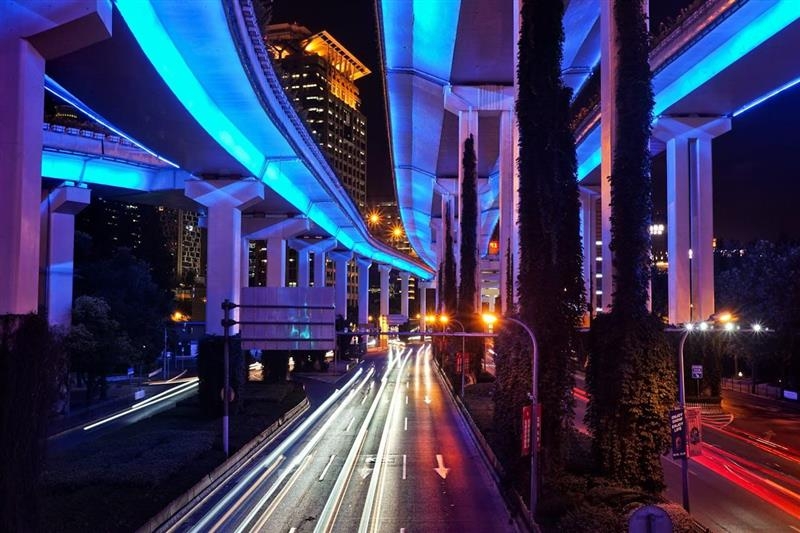
Outdoor lighting decisions affect safety, mobility, and long-term infrastructure planning. City planners often compare solar solutions with electrically powered LED street lights. Each option supports efficient illumination and lower energy consumption. Solar systems perform well in remote locations without grid access. However, some sites demand steady brightness and continuous power. Your project conditions often determine the most suitable option.
Solar street lighting systems convert sunlight into electricity through photovoltaic panels. These panels collect solar energy during daylight hours. The system stores that energy in a rechargeable battery.
A control unit regulates the charging process. The controller prevents battery damage and manages nighttime power use. After sunset, stored energy powers the LED fixture.
Grid-powered lighting uses a direct electrical connection. Underground cables or overhead lines deliver electricity to the fixture. The lamp receives continuous energy throughout the night.
LED lamps remain the main component in both systems. They consume less electricity than older lighting technologies. They also last longer and reduce maintenance needs.
Infrastructure planning becomes a practical concern when organizations relocate warehouses, logistics hubs, or distribution centers. Lighting conditions around access roads and loading areas influence driver safety and nighttime visibility. Logistics teams often review roadway illumination alongside transport routes and traffic patterns before operations begin. Four Winds KSA supports businesses that relocate facilities by coordinating professional moving and logistics services, helping companies transport equipment, office assets, and operational materials while maintaining organized transition timelines. Well-lit roads and reliable infrastructure allow drivers to move goods safely during evening or early morning deliveries, which helps maintain consistent supply chain operations after relocation.
Busy roads and transport hubs require strong lighting every night. Drivers depend on clear visibility to detect hazards and road signs. Lighting must maintain stable brightness for long hours.
Grid-powered lighting supports higher output levels. Engineers measure brightness using lumens. Large intersections and highways often require higher lumen levels. Consistent power improves traffic safety. Sudden drops in brightness can affect driver awareness. Stable lighting helps maintain clear road visibility.
Urban infrastructure likewise supports grid-based installations. Existing electrical networks allow quick deployment. Maintenance teams already understand these systems. Cities often operate centralized lighting management systems. These systems monitor fixtures and detect faults quickly. Grid-connected lighting integrates easily with these monitoring platforms.
Solar charging depends on daily sunlight exposure. Some regions experience frequent cloudy days during long seasons. Reduced sunlight lowers energy storage in batteries.
Next, dense urban zones face shading issues. Tall buildings block sunlight for long periods. Panels installed on poles receive limited solar exposure. Tree coverage can create similar problems. Roads passing through forests remain shaded most of the day. Solar charging becomes less effective in such areas.
Northern regions also experience shorter winter days. Sunlight hours drop significantly during cold months. Energy storage declines during these periods. Urban planning often means analyzing climate records before choosing a system. Long-term weather data helps predict yearly solar energy availability.
Some environments require lighting that operates without interruption. Major transport corridors remain active through the night. Drivers rely on constant illumination for safe travel. Industrial facilities likewise run overnight operations. Workers move equipment and vehicles in loading zones. Bright lighting improves safety around machinery and storage areas.
Airports and seaports provide similar conditions. Cargo operations often continue after sunset. Lighting systems must maintain steady brightness during extended shifts. Security needs also influence lighting design. Facilities with sensitive operations require clear visibility around their perimeter. Stable lighting improves camera monitoring and surveillance coverage.
In addition, traffic safety standards guide lighting design. Authorities define minimum brightness levels for different roads. Engineers must ensure lighting meets these requirements every night.
Many developed regions already contain electrical infrastructure along roads. Utility poles and underground lines support street lighting connections. Technicians can connect new fixtures directly to these networks.
Grid connections simplify installation in developed zones. Crews install poles and connect cables to the power network. This process reduces construction complexity.
In addition, smart lighting systems improve operational control. Sensors monitor traffic levels and adjust brightness automatically. Control platforms allow remote monitoring of each fixture.
Municipal teams use these systems to manage energy consumption. Traffic data helps adjust lighting schedules during late hours. This strategy saves electricity while maintaining safe visibility.
In many urban projects, electrically powered LED street lights provide stable illumination through direct grid supply. Continuous electricity supports reliable brightness throughout the night. This stability improves safety along busy roads and industrial corridors.
Infrastructure planners often evaluate costs across long operating periods. Installation expenses represent only one part of the project budget. Maintenance requirements likewise affect total costs.
Solar lighting systems rely on batteries to store energy. Batteries gradually lose capacity after repeated charge cycles. Replacement becomes necessary after several years.
Grid-connected lighting removes this dependency. Maintenance teams mainly inspect wiring and LED modules. Fewer components simplify long-term service schedules.
City expansion also influences planning decisions. Growing urban areas frequently extend roads and infrastructure. Electrical networks allow easier integration of additional lighting units.
Public lighting systems must operate for many years. Reliable power supply supports long service life. Engineers, therefore, evaluate durability during early planning stages.
Modern street lighting often includes intelligent control systems. These systems allow engineers to monitor each fixture remotely. Real-time data improves maintenance planning.
For starters, sensors detect traffic movement and environmental conditions. The system adjusts brightness according to road activity. This approach reduces energy use during quiet periods.
Second, remote monitoring identifies technical faults quickly. Maintenance teams receive alerts when a fixture stops working. Fast repairs help maintain safe road visibility.
Third, cities connect lighting networks with traffic management systems. Traffic signals and lighting can share operational data. This coordination supports efficient urban infrastructure management.
Last but not least, adaptive lighting improves long-term efficiency. Controlled brightness levels extend the lifespan of LED components. Reduced energy use supports sustainability goals in urban planning.
Lighting systems must match the conditions of each location. Solar lighting works well in remote areas without electrical networks. It provides efficient illumination where grid access remains limited. But dense urban zones often require stable power and strong brightness levels. In such environments, electrically powered LED street lights provide reliable illumination every night. Careful planning ensures dependable performance throughout the year. The correct lighting solution supports safety, visibility, and long-term infrastructure reliability.
 Facebook
 Twitter
 Skype
Skype Email
Email Instagram
 Linkedin
 YouTube
 WhatsApp