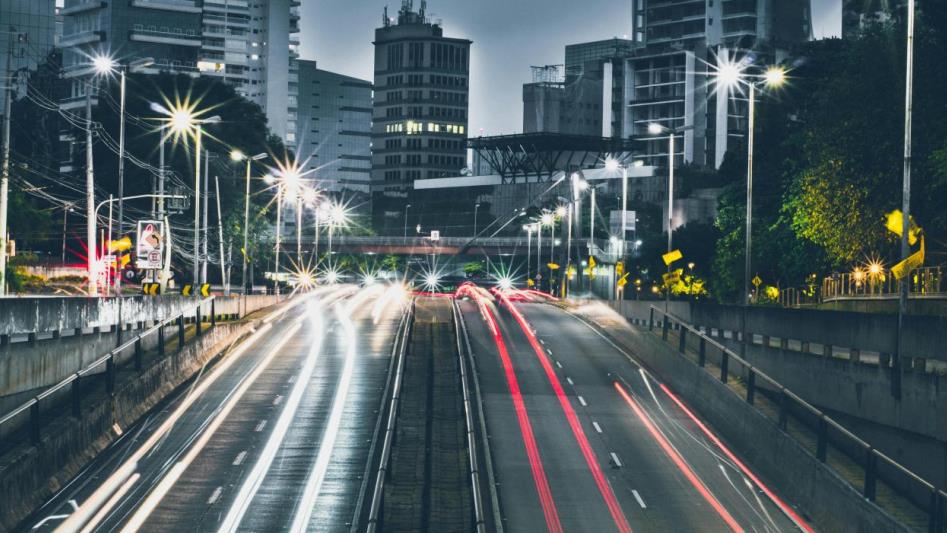
As energy conservation and environmental protection become greater priorities, LED street lights have emerged as the mainstream choice for urban lighting, largely replacing traditional high-pressure sodium and metal halide lamps. This shift is driven by their superior efficiency, energy savings, and extended lifespan. However, despite their theoretical longevity, the real-world performance and durability of LED street lights can be influenced by several factors, with light decay being among the most significant.
What is Light Decay?
Light decay, also referred to as luminous flux depreciation, describes the gradual reduction in the light output of an LED over time. More specifically, it measures the decrease in luminous intensity compared to the initial output after a period of operation. While some degree of light decay is unavoidable, its rate can vary considerably. Key factors contributing to light decay include:
Material Aging: Prolonged use leads to the degradation of LED chips and phosphor materials, resulting in lower luminous efficiency.
Ineffective Thermal Management: LEDs generate heat during operation. Inadequate heat dissipation raises junction temperature, accelerating material aging and light decay.
Drive Current Conditions: Long-term operation at high drive currents can hasten chip aging and intensify light decay.
Environmental Influences: External conditions such as high temperature, humidity, and exposure to pollutants can further degrade LED performance and speed up light decay.
How Does Light Decay Affect the Lifespan of LED Street Lights?
The usable lifespan of an LED street light is often defined by its level of light decay. For instance, when light output declines to 70% of its original value (referred to as L70), the fixture is typically considered to have reached the end of its service life. Light decay not only directly compromises brightness but also indirectly shortens operational life and increases costs.
Reduced Illumination
As light decay progresses, the brightness of LED street lights gradually diminishes. Once light output falls below certain thresholds, illumination may no longer meet roadway lighting standards. This can compromise safety for drivers and pedestrians and potentially lead to regulatory non-compliance.
Shortened Service Life
Although LED street lights are designed to last for tens of thousands of hours, rapid light decay can significantly reduce their effective lifespan. In cases of accelerated decay, lights may require replacement years earlier than expected, undermining their long-life advantage.
Increased Maintenance Costs
Premature replacements and more frequent upkeep due to light decay raise operational expenses. For municipal managers and maintenance teams, this translates into higher costs for equipment, labor, and logistics.
Diminished Energy Efficiency
LEDs experiencing severe light decay operate less efficiently. As light output drops relative to power input, overall energy efficiency declines—counteracting the core environmental and economic benefits of adopting LED technology.
How Can Light Decay Be Minimized?
To mitigate the effects of light decay and extend the functional life of LED street lights, the following measures are recommended:
Select High-Quality Components: Using reliable LED chips and stable phosphor materials can slow the rate of light decay.
Optimize Thermal Design: Implementing effective heat dissipation systems helps maintain optimal junction temperatures, significantly delaying decay.
Adopt Appropriate Drive Currents: Avoid overdriving LEDs. Using constant-current drivers within safe operational limits helps preserve chip integrity.
Control Environmental Exposure: Where possible, shield LED fixtures from extreme temperatures, humidity, and airborne contaminants to reduce external stressors.
Perform Regular Maintenance: Schedule periodic inspections and clean fixtures to remove dust and debris, ensuring consistent thermal performance and light output.
By addressing these factors, cities and operators can better preserve LED street light performance, achieve longer service intervals, and maximize return on investment.
 Facebook
 Twitter
 Skype
Skype Email
Email Instagram
 Linkedin
 YouTube
 WhatsApp