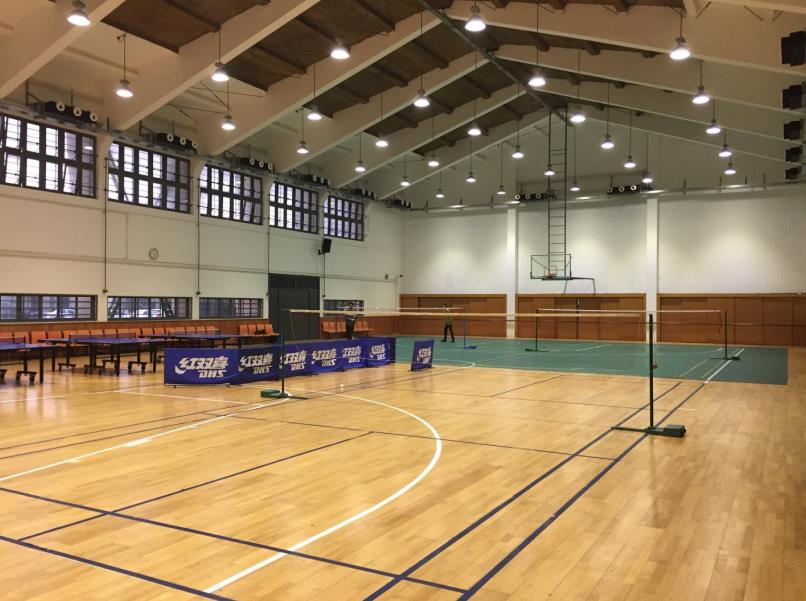
High-bay industrial LED lighting has become a cornerstone of modern warehouses, factories, and large commercial facilities. These fixtures are valued for their energy efficiency, long lifespan, and ability to deliver consistent illumination across expansive spaces. However, even the most advanced lighting systems need proper care to reach their full potential. Thoughtful maintenance not only preserves brightness and performance but also protects your investment over the long term.
This guide explores practical, easy-to-follow maintenance tips that help extend the life of high-bay industrial LEDs. With the right approach, facility managers can reduce downtime, improve safety, and maintain optimal lighting conditions year after year.
Before diving into maintenance strategies, it helps to understand how high-bay LED fixtures function. Unlike traditional metal halide or fluorescent systems, LEDs rely on semiconductor technology to produce light. This process generates less heat and consumes less power, but heat management still plays a critical role in longevity.
High-bay LEDs are designed with heat sinks, drivers, and internal components that must remain within specific operating conditions. When dust, moisture, or electrical fluctuations interfere with these systems, performance can degrade faster than expected. Maintenance is about protecting these components so they can do their job efficiently.
Many facility owners assume that LEDs are “install and forget” solutions. While LEDs do require less upkeep than older technologies, neglecting maintenance can shorten their lifespan significantly. Dirt buildup can reduce light output, while poor ventilation can cause overheating that damages internal electronics.
Regular maintenance ensures consistent illumination, which directly affects worker safety and productivity. It also minimizes the risk of premature failure, helping organizations avoid unexpected replacement costs and operational disruptions.
Routine inspections form the foundation of effective LED maintenance. Visual checks help identify early signs of trouble, such as flickering, dimming, or uneven light distribution. These symptoms often indicate driver issues, wiring concerns, or environmental stressors.
Scheduling inspections at predictable intervals allows maintenance teams to address minor problems before they escalate. Consistency is more important than frequency. Even brief, regular checks can reveal patterns that point to underlying issues affecting multiple fixtures.
Dust and debris are among the most common threats to high-bay LED performance. In industrial environments, airborne particles can accumulate quickly on lenses and heat sinks. This buildup reduces light output and traps heat, which accelerates component wear.
Cleaning fixtures with appropriate, non-abrasive materials helps maintain brightness and proper heat dissipation. It is important to ensure that power is turned off before cleaning and that moisture is kept away from electrical components. Clean fixtures not only perform better but also create a more professional and safer workspace.

Heat management is one of the most critical factors in extending LED lifespan. While LEDs run cooler than traditional lights, they are still sensitive to excessive heat. Blocked airflow around fixtures can cause internal temperatures to rise beyond safe levels.
Ensuring that fixtures are installed with adequate clearance and that ventilation systems are functioning properly makes a noticeable difference. In facilities where ambient temperatures fluctuate, monitoring heat levels helps prevent stress on drivers and diodes that could lead to early failure.
The LED driver is the heart of the fixture, regulating power and ensuring stable operation. Electrical surges, inconsistent voltage, and poor-quality wiring can damage drivers over time. Once a driver fails, the entire fixture may stop working even if the LED chips remain intact.
Using surge protection devices and maintaining stable electrical systems helps safeguard drivers. Regularly checking connections for corrosion or looseness also reduces the risk of power-related issues. Electrical health is just as important as physical cleanliness when it comes to longevity.
Every industrial environment presents unique challenges. Warehouses may struggle with dust and temperature swings, while manufacturing plants might face humidity or chemical exposure. Maintenance plans should reflect these realities rather than follow a one-size-fits-all approach.
Adjusting cleaning schedules, inspection frequency, and protective measures based on environmental conditions ensures that LEDs are not overexposed to harmful elements. This tailored approach leads to more reliable performance and fewer surprises.
Facility changes introduce real risks for lighting systems, especially when teams renovate, upgrade equipment, or move operations temporarily. Dust, vibration, shifting layouts, and irregular power can damage high-bay LEDs if managers overlook protection steps. Therefore, teams benefit from planning that keeps lighting components clean, stable, and ready for reinstallation.
During these periods, some facilities also rely on short-term storage to keep equipment out of harm’s way. When storage becomes part of the workflow, it provides a practical buffer and creates a safe space for your items while crews work around active construction or relocation tasks. At the same time, managers must weigh the pros and cons of renting short-term storage while moving, since this option supports flexibility, strengthens safety, and helps teams stay organized. Still, it also introduces extra cost and coordination requirements. A clear assessment helps teams decide whether temporary storage adds real value for protecting lighting fixtures and maintaining operational flow during transitions.
Maintenance is not solely the responsibility of a dedicated team. Employees who work under high-bay lighting every day are often the first to notice changes in brightness or performance. Training staff to report these observations creates an additional layer of protection.
Encouraging open communication about lighting conditions helps maintenance teams respond quickly. Early intervention often prevents small issues from turning into widespread failures, saving time and resources in the long run.

Keeping records of inspections, cleanings, and repairs provides valuable insights into how your lighting system is performing. Documentation helps identify patterns such as repeated driver failures in specific areas or faster dust buildup in certain zones.
These records support better decision-making when it comes to upgrades, replacements, or changes in maintenance strategy. Over time, data-driven insights can significantly extend the overall life of your high-bay LED system.
Even with excellent maintenance, no lighting system lasts forever. Planning for gradual upgrades prevents sudden, large-scale replacements that disrupt operations. Monitoring performance metrics helps determine when fixtures are nearing the end of their optimal lifespan.
Proactive planning ensures that replacements are scheduled strategically rather than reactively. This approach maintains consistent lighting quality and allows budgets to be managed more effectively.
High-bay industrial LEDs are a powerful investment in efficiency, safety, and long-term cost savings. While these fixtures are designed for durability, their lifespan depends heavily on how well they are maintained. Regular inspections, thoughtful cleaning, proper heat management, and electrical protection all play essential roles in preserving performance.
By adapting maintenance strategies to your specific environment and involving staff in early detection, you create a lighting system that remains reliable and effective for years. With consistent care and forward-thinking planning, high-bay industrial LEDs can continue to illuminate large spaces efficiently while delivering maximum value over their lifetime.
 Facebook
 Twitter
 Skype
Skype Email
Email Instagram
 Linkedin
 YouTube
 WhatsApp