In today's fast-paced travel landscape, LED display screens have become indispensable in passenger transport hubs like airports, train stations, subway stations, and ports. These vibrant, reliable technologies enhance passenger experience, improve operational efficiency, and deliver real-time information amid growing traveler volumes. With advancements in fine-pixel-pitch technology, energy efficiency, and seamless integration with cloud-based systems, LED displays are transforming how billions navigate their journeys daily.
Wayfinding in Pedestrian Passages and Concourses
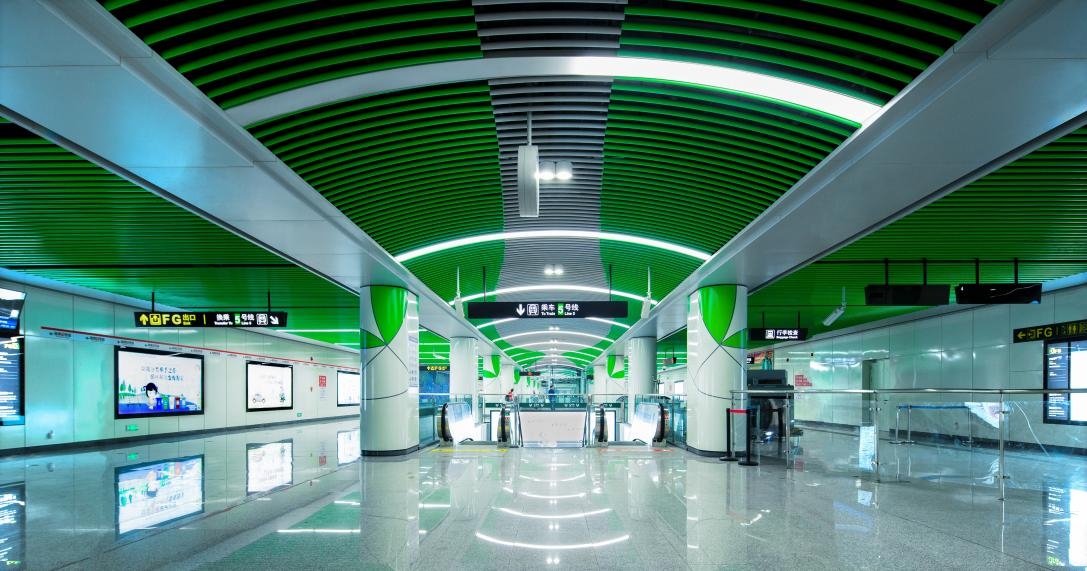
High-traffic pedestrian areas demand clear, dynamic guidance. Here, fine-pitch indoor LED displays (often P1.5 to P2.5) excel due to their high resolution and excellent viewing quality at close range. These screens provide directional arrows, interactive maps, and real-time updates on gate changes, platform assignments, or baggage claim areas.
In airports and major train stations, flexible or curved LED solutions adapt to architectural elements like columns and tunnels, blending functionality with aesthetics. High-brightness models ensure visibility even in brightly lit environments, while rugged designs withstand constant foot traffic. Modern deployments, such as creative installations at Asia’s large hubs like Zhengzhou Metro Station, use ceiling-mounted and column-wrapped LEDs to create immersive wayfinding experiences that reduce congestion and passenger stress.
Information Hubs in Waiting Rooms and Lounges
Waiting areas prioritize comfort and engagement. Large indoor LED video walls serve dual purposes: delivering essential travel updates and entertaining content. These screens often feature pixel pitches between P2 and P3, offering sharp visuals for flight or train schedules, delay notifications, and safety announcements.
Energy-efficient designs support 24/7 operation with lower power consumption, aligning with sustainability goals at modern transport centers. Many incorporate advertising capabilities, generating revenue while keeping passengers informed. Transparent LED displays are gaining popularity in lobbies, allowing natural light to flow through while showcasing promotions or branding without obstructing views.
Flight and Train Schedule Display Screens
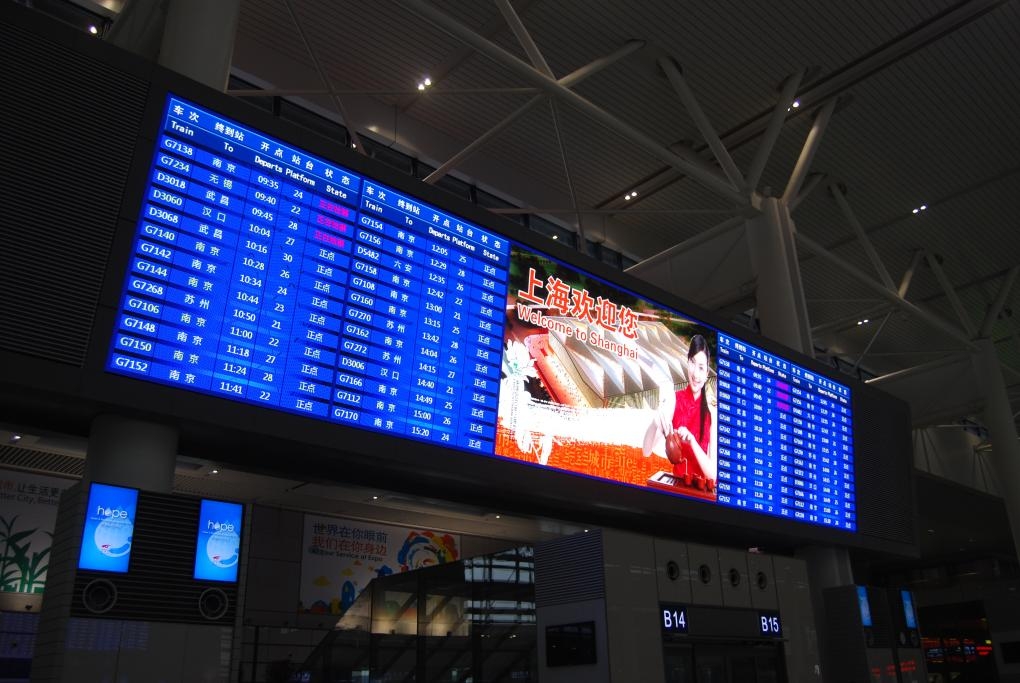
The heart of any transport hub lies in its Passenger Information Display Systems (PIDS/FIDS). Massive LED boards in departure halls, platforms, and central atriums provide crystal-clear real-time data on arrivals, departures, boarding gates, and platform numbers. These systems use high-brightness LEDs (often exceeding 1,000 nits indoors) for readability across long distances.
Latest trends include integration with AI and IoT for predictive updates—alerting passengers to potential delays before they occur. In subway and metro stations, smaller, durable LED panels offer platform-specific countdowns and service alerts. Ports utilize weather-resistant outdoor or semi-outdoor LEDs to display vessel schedules amid challenging marine environments.
Beyond static information, these displays now support multimedia content, emergency broadcasts, and even queue management at security checkpoints. Cloud-based content management systems allow operators to update information instantly across multiple locations, enhancing reliability.
Emerging Trends and Benefits
The transportation digital signage market continues rapid growth, driven by demands for smarter, more resilient solutions. Key advancements include Mini/Micro-LED for superior contrast, better energy performance, and longer lifespans. Durability remains critical—displays must handle humidity, temperature fluctuations, and heavy use while maintaining low maintenance costs.
Ultimately, LED displays do more than inform; they create calmer, more efficient, and engaging travel environments. As hubs evolve into smart mobility centers, these technologies will continue playing a pivotal role in elevating passenger satisfaction and operational excellence across global transport networks.
 Facebook
 Twitter
 Skype
Skype Email
Email Instagram
 Linkedin
 YouTube
 WhatsApp