Nighttime can be risky for walking, cycling, or driving. Poor lighting makes it hard to see obstacles, traffic, and other people. It also increases the chances of accidents and crime. Smart street lighting improves nighttime safety and helps communities feel more secure after dark. These lights use sensors and motion detection to adjust brightness where it is needed. Energy-efficient LEDs cut costs while keeping streets clear and visible. Smart systems are changing the way we experience streets, tunnels, and industrial areas at night.
Why Nighttime Visibility Matters
Poor visibility at night makes it harder to notice hazards on the road. Drivers may miss pedestrians, cyclists, or other vehicles. Even small obstacles like potholes or debris can cause accidents when streets are dimly lit.
You can easily ensure proper lighting in your place, but dark streets also increase the risk of crime. Areas with little light can become targets for theft, vandalism, or assault. People are less likely to walk or cycle in these areas, which affects community life and mobility.
Visibility is especially important in areas with high traffic or complex layouts. Intersections, curves, and pedestrian crossings need clear lighting to guide movement safely. Proper illumination helps everyone react faster and avoid dangerous situations, creating a safer environment for both residents and visitors.
How Smart Street Lights Respond to Their Environment
Smart street lights adjust their brightness based on activity and surroundings. Sensors detect cars, bicycles, and pedestrians, and lights can increase or decrease output instantly. Smart street lighting improves nighttime safety by making sure areas are bright when needed and dim when empty, reducing glare and distraction.
Weather conditions also affect how smart lights operate. Rain, fog, or snow can trigger higher brightness to improve visibility. Some systems even detect ice or slippery roads, helping drivers and pedestrians move more safely in poor conditions.
These lights can connect with other systems, like traffic cameras or emergency alerts. They can guide people away from hazards or highlight specific routes. Cities using these technologies report fewer accidents and better traffic flow, showing that adaptable lighting keeps streets safer and more efficient.
Reducing Crime with Smarter Lighting
Well-lit streets discourage theft, vandalism, and other criminal activity. When areas are bright and visible, criminals have fewer opportunities to act unnoticed. People also feel safer walking at night, which increases foot traffic and naturally deters crime.
Smart lights can highlight dark corners, alleys, or parking areas where incidents often occur. Some systems include motion sensors that alert authorities to unusual movement. Cities that install these lights often see a drop in nighttime crime, making neighborhoods safer for residents and visitors alike.
Well-lit streets also matter when choosing a new home. Checking lighting and crime patterns can help you ensure a safe relocation. Noticing potential hazards can reveal red flags when moving, guiding you toward safer, more welcoming neighborhoods.
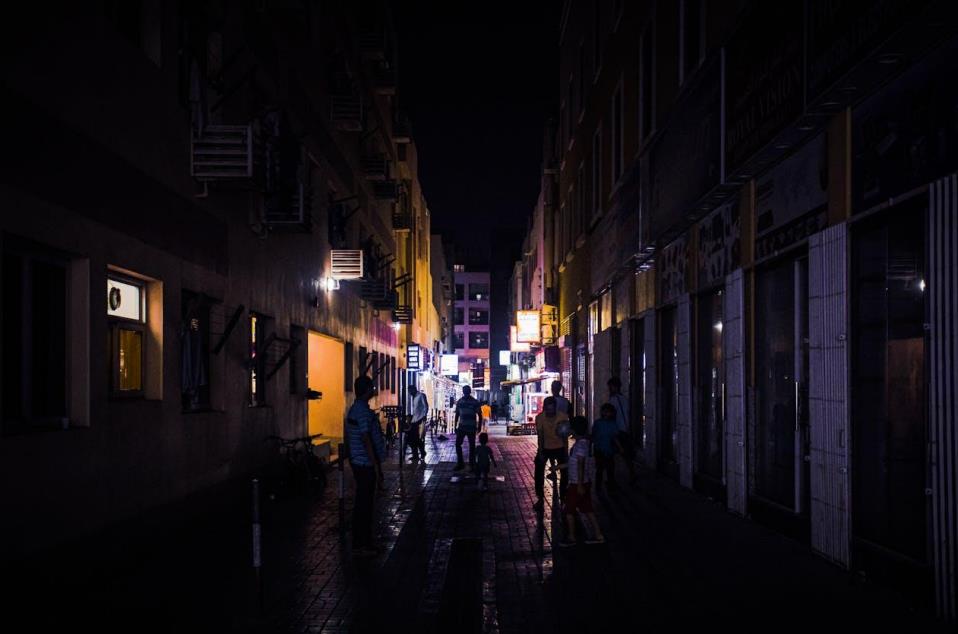
How Smart Street Lighting Improves Nighttime Safety and Energy Efficiency
Smart street lights rely on LEDs that use far less energy than traditional bulbs. These lights maintain bright, consistent illumination all night. Cities can keep roads, sidewalks, and tunnels well-lit without excessive electricity costs. This efficiency also reduces the frequency of maintenance, meaning fewer disruptions to traffic or pedestrian areas. Energy savings can then be redirected to other safety initiatives.
Adaptive smart lighting systems adjust brightness based on actual need. Streets with little activity can dim automatically, while busy intersections or pedestrian crossings stay bright. Weather conditions or unexpected events can trigger higher brightness in specific areas. This approach balances safety and energy use, giving communities secure streets while reducing waste and environmental impact.
Integration with Transportation Solutions
Smart street lights play a key role in supporting transportation safety. They improve visibility for drivers, cyclists, and pedestrians, reducing the chances of accidents. Clear lighting at intersections, curves, and pedestrian crossings helps everyone react faster to sudden changes.
These lights can work alongside traffic management systems. Sensors can communicate with signals, cameras, and road monitoring tools to guide traffic flow. In some cases, lights can flash warnings about obstacles, road work, or unexpected hazards.
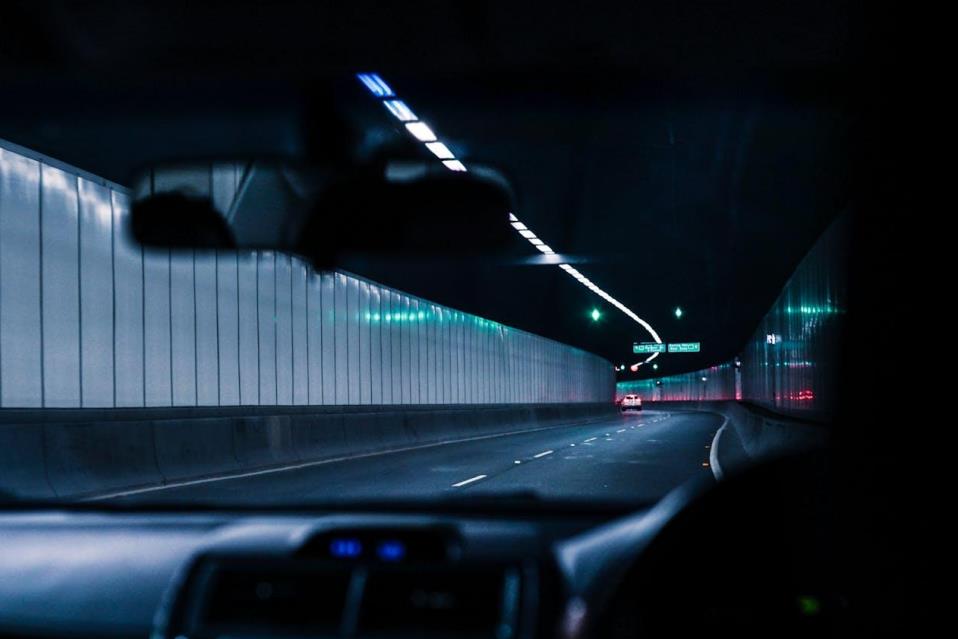
LED tunnel lights and industrial roadway lighting also benefit from these systems. Proper illumination inside tunnels reduces accidents caused by sudden darkness or glare. Industrial areas with heavy vehicles become safer as lights adjust to vehicle movement.
How Smart Lighting Improves Everyday Life
Smart lighting makes streets feel safer for everyone. Walking home at night becomes less stressful when paths, sidewalks, and crossings are well-lit. Cyclists also benefit, as clearer visibility reduces the risk of collisions with vehicles or obstacles. Bright, responsive lighting encourages people to be active after dark.
Communities see social benefits too. Parks, plazas, and public spaces remain usable longer, allowing events, outdoor activities, and evening gatherings. People feel more comfortable moving around their neighborhoods, which strengthens local connections and promotes a sense of security.
Smart systems can even provide subtle guidance for daily routines. Lights can highlight pathways to schools, offices, or public transit stops. They can respond to unusual movement, guiding pedestrians away from hazards. This technology not only protects people but also improves the overall experience of moving through the city at night.
Smart street lighting is evolving alongside cities. As urban areas grow, lighting systems must adapt to new roads, neighborhoods, and traffic patterns. Future designs will use data from sensors and connected devices to adjust illumination automatically, keeping streets safe without manual intervention.
Integration with the Internet of Things (IoT) will expand possibilities. Lights could communicate with emergency services, traffic systems, and even public transport networks. This creates smarter, more responsive streets that improve both safety and efficiency. LED displays and adaptive signage may provide real-time warnings or directions for drivers and pedestrians.
LED manufacturers continue to innovate in this space. Advanced industrial and tunnel lighting solutions are designed for long-term durability, energy efficiency, and seamless integration with smart city systems. These developments show that smarter lights are not just brighter—they are part of a broader vision for safer, more connected communities.
Safer Nights Start with Smarter Lights
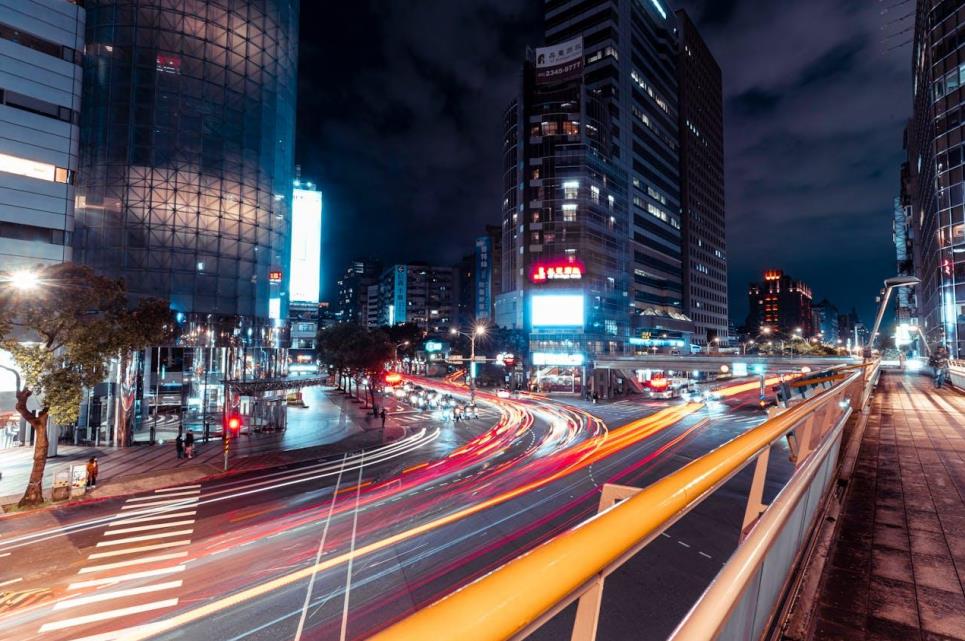
Streets that are bright, adaptive, and responsive create safer environments for everyone. Smart street lighting improves nighttime safety by reducing accidents, deterring crime, and helping people feel confident moving after dark. From busy city intersections to quiet residential areas, these lights make a real difference. They save energy, guide traffic, and protect communities, showing that smart solutions benefit both safety and daily life. Investing in smarter lighting means brighter nights, safer streets, and stronger neighborhoods.
 Facebook
 Twitter
 Skype
Skype Email
Email Instagram
 Linkedin
 YouTube
 WhatsApp